
Softball Tryout Prep: Find Tryouts & Get Ready
Tryout day only lasts a couple hours. The work that gets an athlete ready for it doesn’t. Every fall and spring, thousands of families across the Alliance network start the same search: which teams are holding tryouts, when, and what their athlete needs to do to stand out once she’s on the field. This guide covers both halves of that search, where to find tryouts and how to walk in ready.
Find Your Tryout: The Alliance Tryout Hub
The Alliance tryout hub pulls travel softball tryouts from clubs and programs across all nine member leagues into a single, searchable list. Families filter by state, age division, and league to find tryouts at every level from 10U through 18U, with new listings added as clubs open their rosters for the season.
How to Prepare for Softball Tryouts
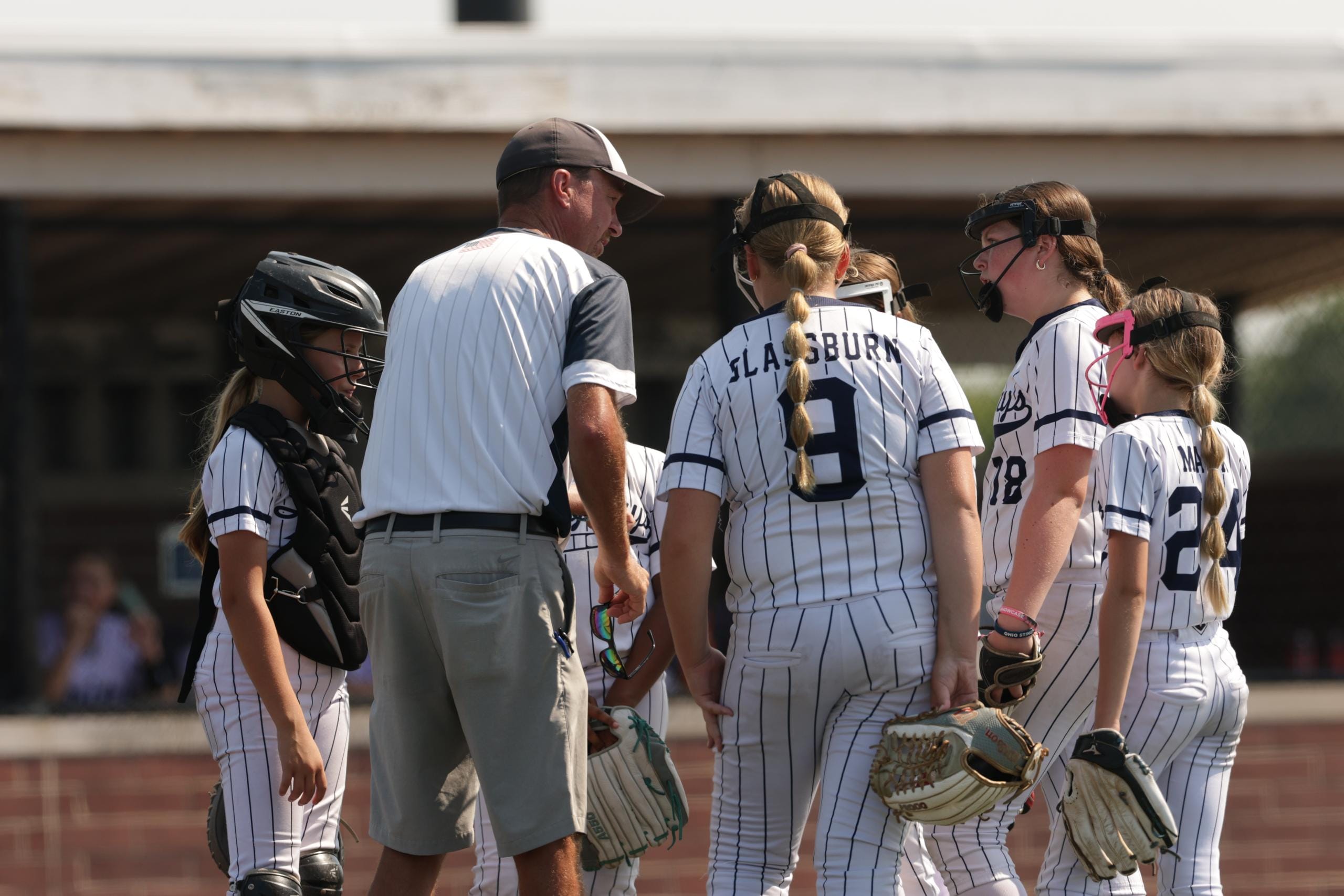
Finding the tryout is step one. Showing up ready is what actually earns a roster spot. Preparation breaks down into three areas: physical readiness, what an athlete brings with her, and how she presents herself once she’s on the field.
Start Training Weeks Out, Not Days Out
Arm health and conditioning need lead time. Athletes who wait until the week of tryouts to start throwing again are the ones who show up sore, tentative, or hurt. A simple progression works: build throwing frequency gradually in the weeks before tryouts, add footwork and fielding reps that mirror what tryouts actually look like, and layer in conditioning so the third rep of a drill looks like the first. Coaches notice fatigue fast, especially in multi-day tryouts.
What to Bring to Tryouts
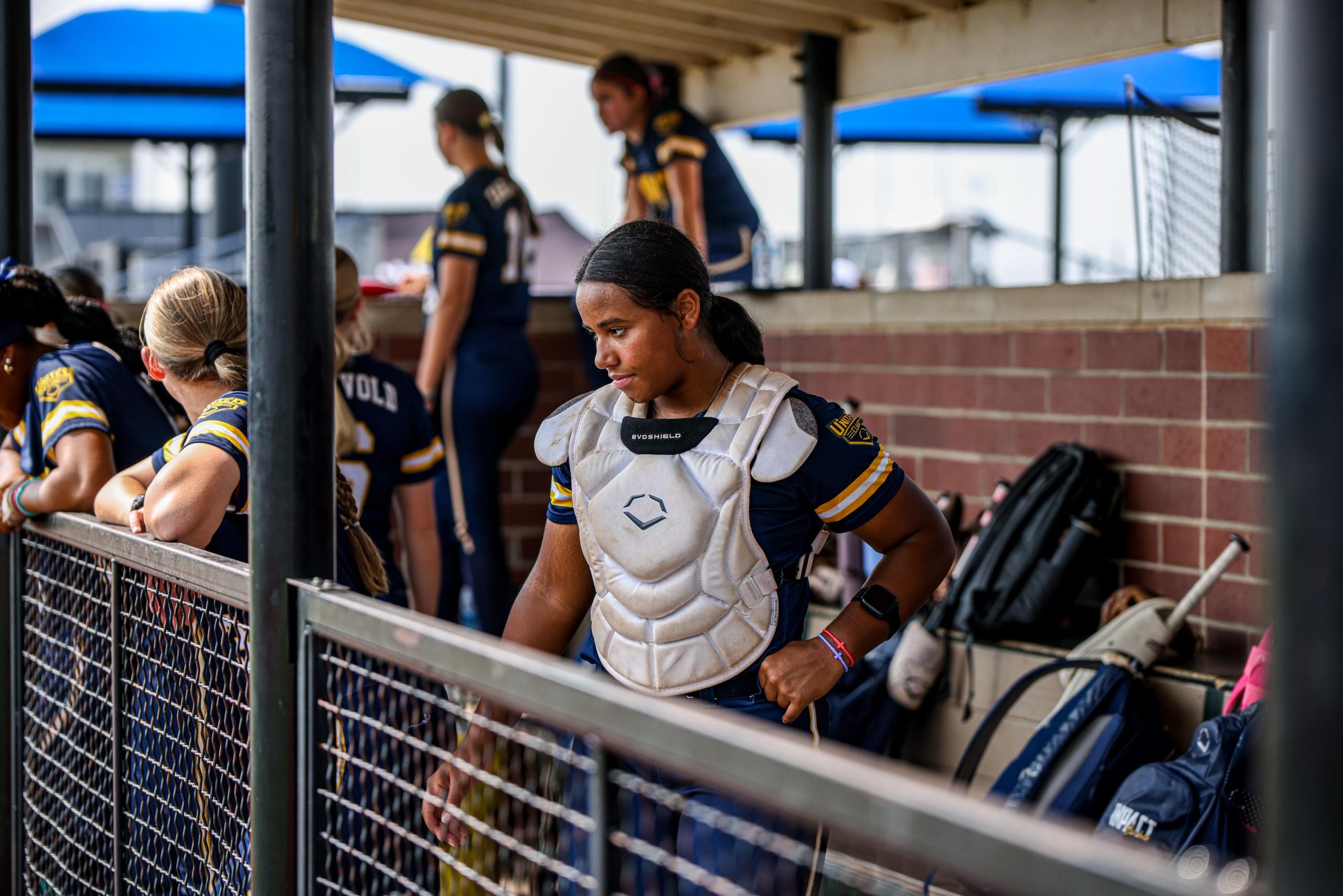
A player who shows up prepared signals something to a coach before she ever fields a ground ball. The basics:
- Glove, bat, cleats, and batting gear, labeled with her name
- Water and a light snack for multi-hour tryouts
- Sunscreen, hat, sunglasses, and layers if the forecast is unpredictable
- Any paperwork or registration forms the club requested in advance
Alliance members get a standing discount on gear through the Wilson Team Shop, including gloves, bats, and protective equipment from Wilson, DeMarini, ATEC, EvoShield, and Louisville Slugger, so tryout-ready gear doesn’t have to mean full price.
Look and Act Like a Player
First impressions happen before the first drill. Clean uniform pieces, a visible number, and arriving early enough to warm up on her own terms all tell a coach an athlete takes this seriously. So does hustle. Sprinting on and off the field between stations is a small thing that coaches consistently mention as a differentiator, because it’s a choice, not a skill.
What Coaches Are Actually Evaluating
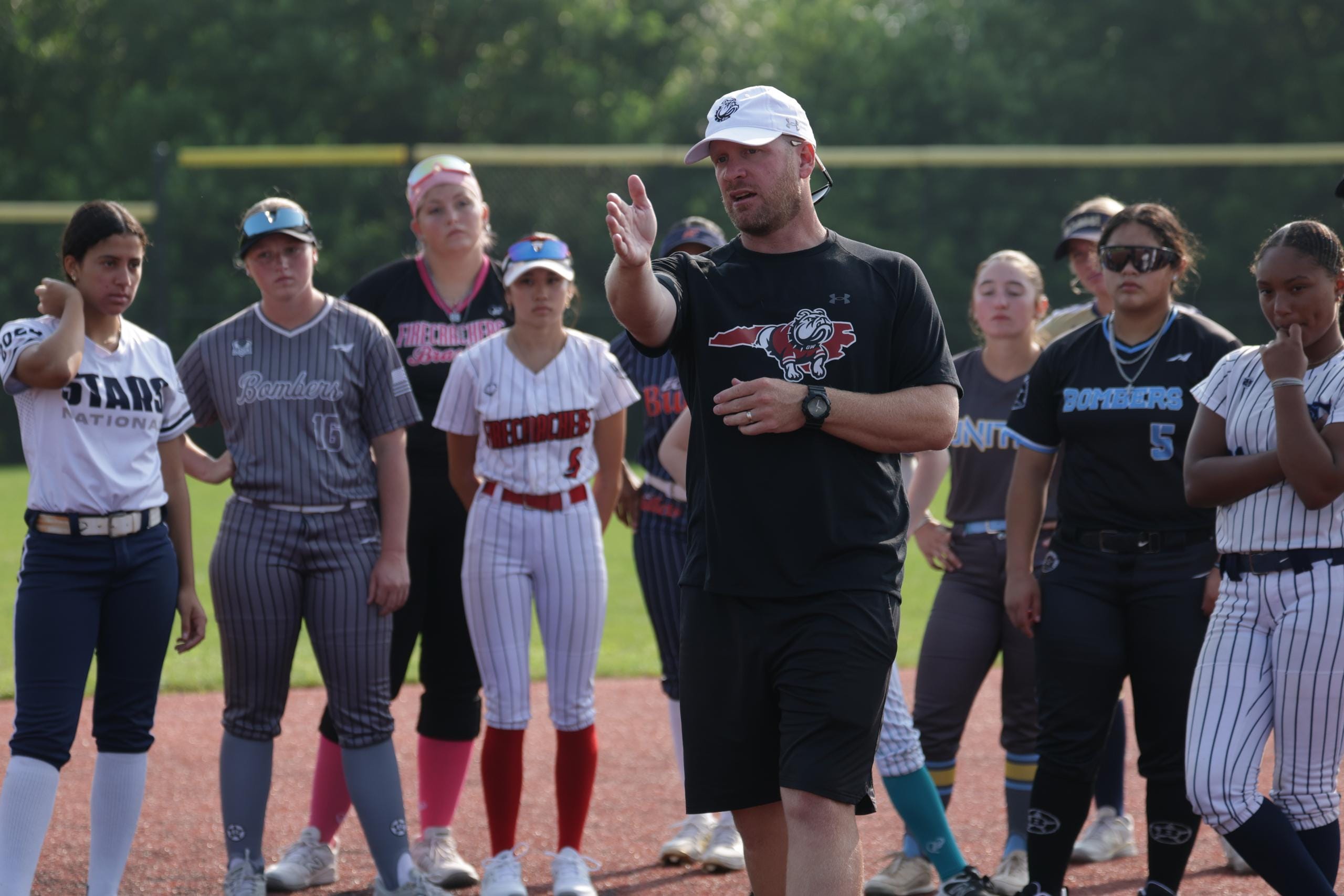
Skill is the floor, not the ceiling. Coaches running tryouts are watching how an athlete responds to a missed rep, how she interacts with teammates she just met, and whether she’s coachable in real time, not just whether she can field a ball cleanly.
Parents are being evaluated too, even if it’s never said out loud. How a parent reacts on the sideline, whether they let their athlete answer for herself, and how they handle a tryout result that doesn’t go the way they hoped all tell a coach something about the environment that athlete is coming from. It’s worth keeping in mind before tryout day, not after.
After Tryouts: Turning a Roster Spot Into a Head Start
Making a team is the beginning of the next step, not the end of this one. Once an athlete is rostered with an Alliance member club, every scored and streamed game she plays starts building a verified athlete profile through AthletesGoLive, the same profile system that powers the Alliance’s national athlete database and stat leaderboards. A tryout is one weekend. The record that follows it is the whole season.
Tryout Season Moves Fast
Listings change as clubs finalize rosters. The Alliance tryout hub is updated on a rolling basis across all nine member leagues and every age division from 10U to 18U.
Browse TryoutsNot an Alliance member yet? Learn about membership →