The Complete Guide to Fastpitch Softball Bats: Sizing, Selection & Gear Tips

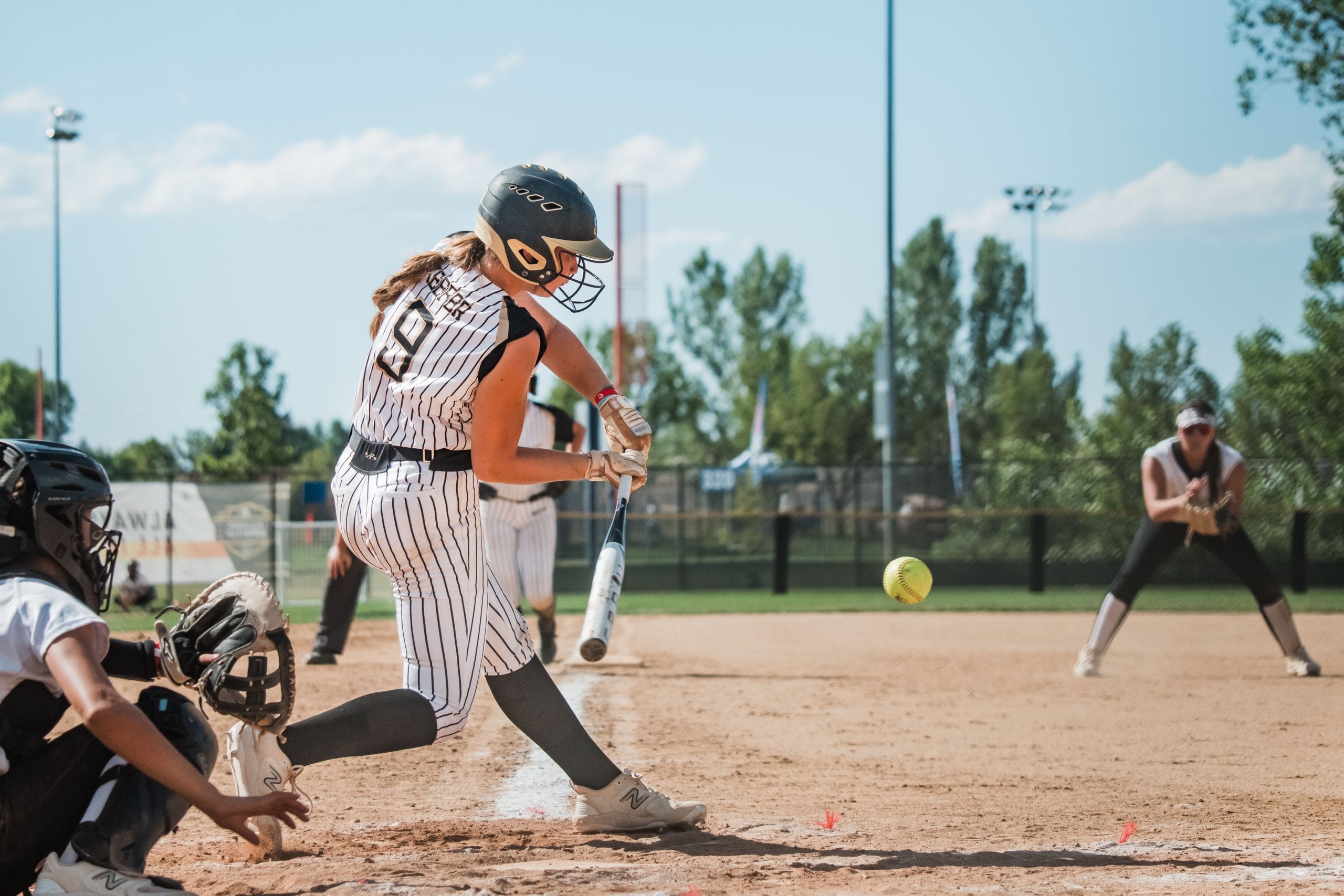
Every player has stepped into the box and felt something was off. Maybe the bat felt like dead weight. Maybe it was whipping through so fast there was nothing behind the contact. That feeling? It's usually a sizing problem, and it's more common than you'd think. The right equipment doesn't just feel better. It actually changes what a player can do mechanically at the plate.
This guide breaks down everything players and parents need to know about bat sizing, materials, and certifications, so you can stop guessing and start swinging with confidence.
Bat Certifications: What They Mean and Why They Matter
Before anything else, know which certification your bat needs. Alliance-sanctioned events recognize bats certified under USA/ASA Softball and USSSA standards. USA/ASA certification requires that a bat's calculated batted ball speed stays below 98 mph across its entire lifespan, tested per ASTM F2219 standards. Bats that pass also qualify for USSSA, NSA, and WBSC play.
Certification markings aren't just bureaucratic fine print. They confirm a bat has been independently tested and manufactured safely. Non-certified or altered bats are illegal in sanctioned play, and doctoring a bat can result in a player ban or legal consequences. When in doubt, check the stamp.
Bat Sizing by Age Group
Use this as a starting point, not a rulebook. Every player's body and swing are different.
|
Age Group |
Bat Length | Drop Weight | Recommended Material |
|
8U / 10U |
26"–32" | -13 to -10 |
Aluminum or composite |
|
12U |
30"–33" | -11 to -9 |
Composite |
|
14U |
31"–34" | -11 to -9 |
Composite |
| 16U / 18U | 32"–34" | -10 to -8 |
Composite |
How drop weight works:
Drop weight is calculated by subtracting the length in inches from the weight in ounces. A 33" bat weighing 24 oz has a drop of -9. The closer the drop is to 0, the heavier the bat. Today's heaviest option on the market is -8.
How to Actually Find the Right Bat
The arm extension test is widely used, but it's not the most reliable method. The best way to know where to go is to understand where you are.
If a player has the opportunity to demo a teammate's bat before buying, take it. A bat that fits well should make it easy for a player to repeat their mechanics, regardless of skill level. If a bat is too heavy, it becomes harder to improve, because the player can't control the swing consistently enough to build on it. At younger ages, finding a bat a player can develop with matters more than maximizing plate coverage or raw performance.
When it's time to size up, here's a reliable signal: if a player is repeatedly breaking barrels with the same bat size, they've probably outgrown it. Players who are having success should still demo a heavier or longer bat at least once a year to see if they're ready for the next step.
When sizing up, go one variable at a time. Increase either length or weight, not both simultaneously. Force equals mass times acceleration, so adding mass can increase exit velocity, but only if swing speed doesn't drop too much in the process. An extra ounce is generally easier to adjust to than an extra inch. If a player demos a heavier bat and their mechanics fall apart completely, they're not ready. If they feel challenged but still make solid contact most of the time, a few weeks of use will likely bring them up to speed.
For players who need an incremental step, DeMarini offers half-size custom options (like a 32.5" -10 or 34" -9.5) through DeMarini.com, which can make the transition smoother.
Bat Materials: Alloy vs. Composite
Alloy/Aluminum Best for younger or newer players. Durable, cost-effective, and widely available in smaller sizes. The tradeoff: more sting on contact, a smaller sweet spot, and a sound most players grow out of quickly.
Composite The standard at higher levels. Composite bats absorb vibration better, offer a larger sweet spot, and come in a wider range of two-piece configurations. The tradeoff: a shorter lifespan, and they can crack in cold weather or when used with baseballs or slowpitch softballs.
One-Piece vs. Two-Piece One-piece bats offer a concentrated sweet spot and solid feel through contact, but transmit more sting to the hands.
Two-piece designs flex more through the zone, feel more comfortable, and give manufacturers room to optimize handle, joint, and barrel technology independently. They're generally more expensive, but the hitting experience reflects it.
One note worth flagging: composite bats have a finite lifespan. Using stiff or cold balls, baseballs, or slowpitch softballs accelerates wear and increases the risk of premature cracks. Taking care of the bat's storage conditions and practice ball quality extends its life.
Common Mistakes to Avoid
- Buying based on what a pro player swings instead of what fits your size and skill level
- Using a composite bat with balls it wasn't designed for (baseballs, cold or slowpitch balls)
- Playing with a non-certified bat in tournament play
Alliance Members Get 20% Off Wilson Team Shop
As an Alliance Fastpitch member, you get year-round access to 20% off at the Wilson Team Shop, including Wilson gloves, DeMarini, ATEC, EvoShield, and Louisville Slugger. The same gear trusted at Alliance national events.
The Bottom Line
Bat sizing isn't a one-time decision. As athletes grow, their bat should grow with them. Revisit sizing annually, demo before committing, and prioritize mechanics over maximum performance specs at younger ages. When the fit is right, everything else gets easier.
Written in collaboration with Julia Luciano, Senior Engineer at DeMarini R&D
Follow her on TikTok: @thejulialuciano




More Alliance News...